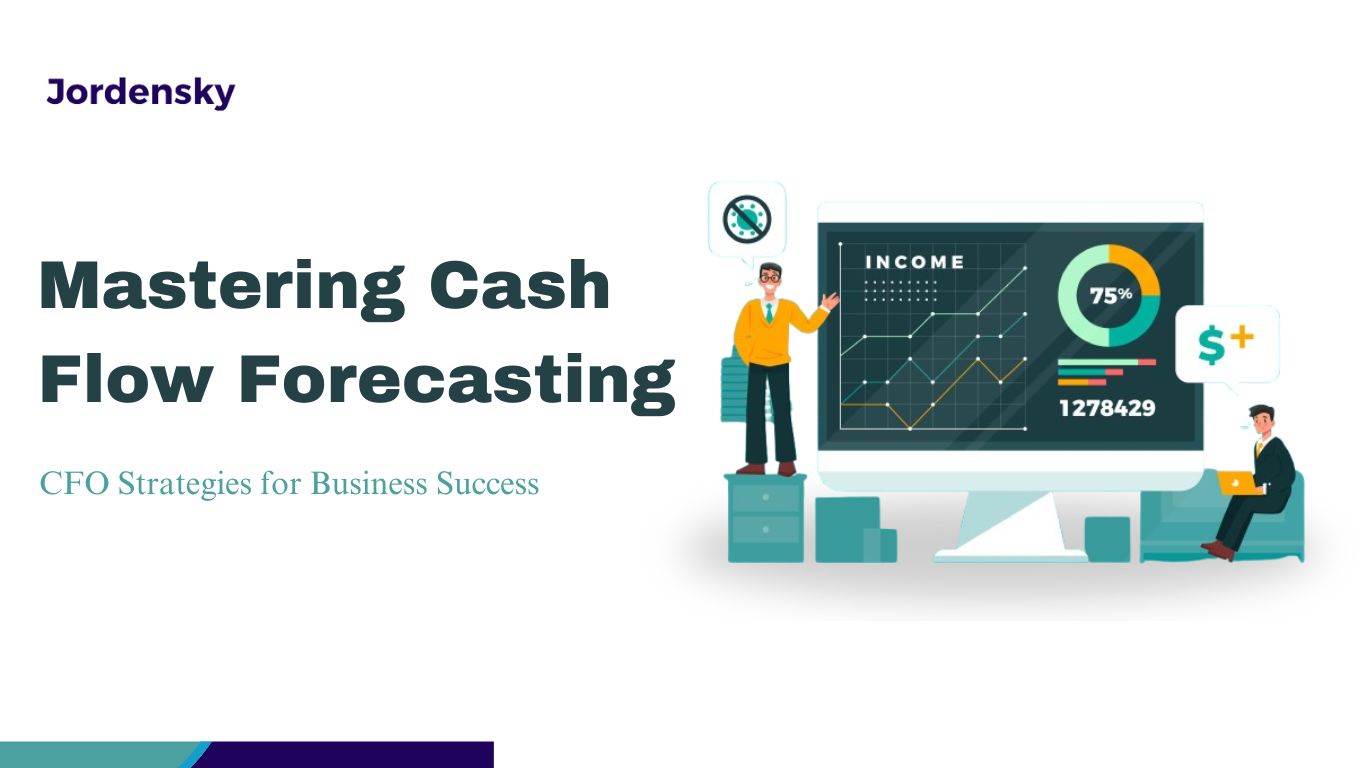
The most common forecasting mistake founders make is treating the model as a crystal ball. It isn’t. A good forecast won’t tell you exactly what next quarter looks like — it tells you which decisions you can afford, and which ones would break the plan. That’s the whole point.

Drivers, not guesses
Weak models type a growth rate into a cell. Strong models build revenue from drivers: leads × conversion × average deal size, or seats × price × retention. When the inputs are real levers, the forecast becomes a place to experiment — change one driver and watch runway respond.
Always model three scenarios
- Base: what you genuinely expect if the plan holds.
- Downside: slower growth, higher churn — the case that tells you your real minimum runway.
- Upside: the case that answers “if this works, what do we need to be ready to spend?”
You don’t manage the forecast you built in January. You manage the one you re-forecast every month.
Close the loop monthly
A forecast that never meets reality is fiction. Each month, drop actuals in beside the plan, explain the variance, and re-forecast the rest of the year. Over a few cycles your assumptions get sharper and the board starts trusting the numbers — because they’ve watched them hold. If you’d like help standing up this loop, talk to Jordensky.