Startup
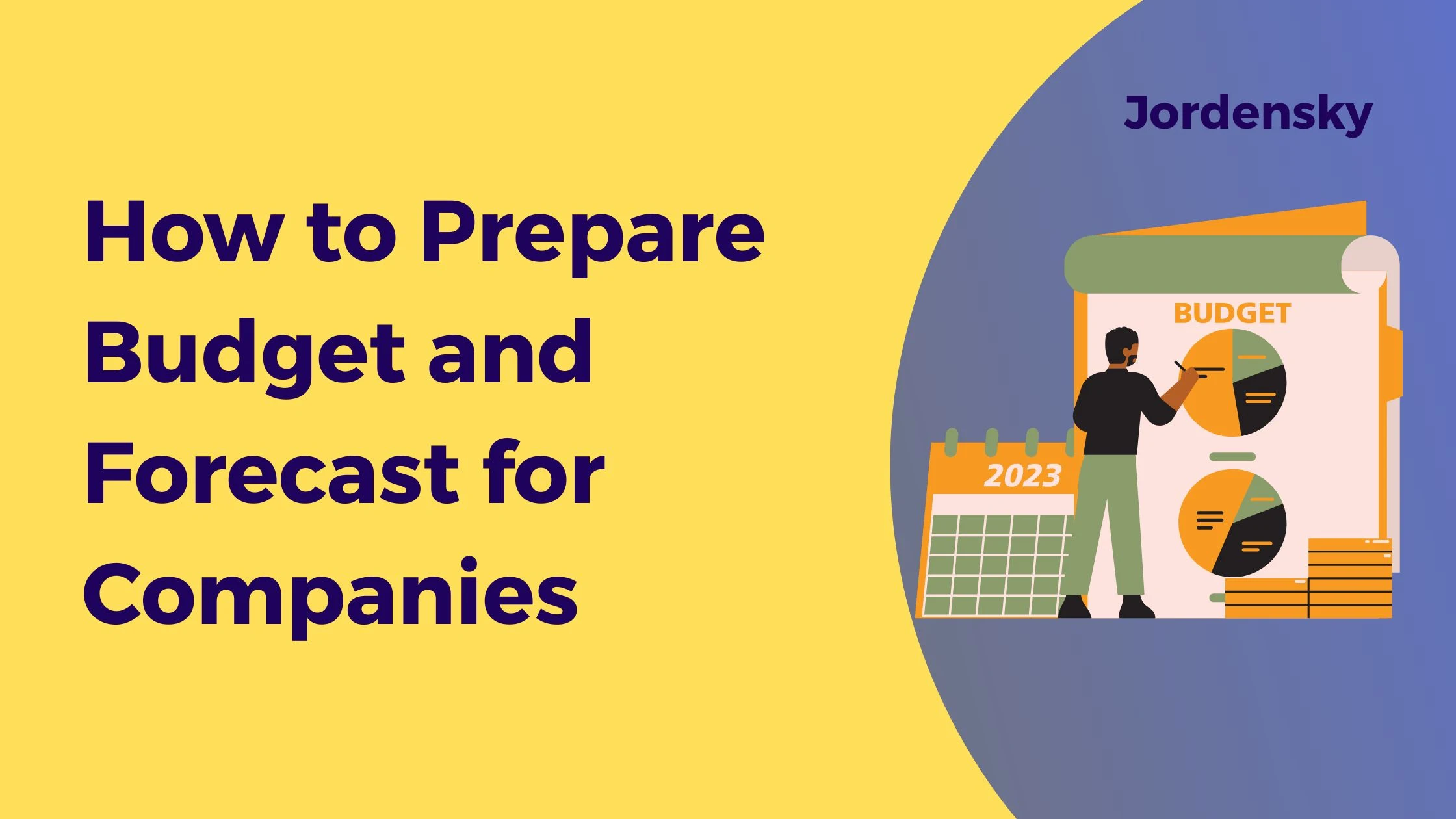
 How to Prepare Budget and Forecast for Companies
Learn budgeting and forecasting for Indian businesses across life cycles to align short-term and long-term.
In this article
In India, businesses rarely fail because the idea was bad. They fail because cash ran out, costs went out of control, or growth happened without planning. At the heart of all these problems lies one common gap—poor planning, budgeting, and forecasting.
Many business owners still believe that once a budget is prepared at the start of the year, the job is done. In reality, budgeting is a static plan that allocates resources for a specific period, while forecasting is a dynamic exercise that helps you prepare for uncertainty. In a country like India—where GST rules change, input costs fluctuate, and demand can swing sharply—relying only on static budgets is risky.
This is where Indian businesses must evolve. They need to move from basic budgeting to integrated planning, budgeting, and forecasting, aligned with each stage of the business life cycle. Top CFO Firms in Mumbai like Jordensky work closely with business owners by providing CFO Services to Companies by bringing this strategic financial clarity—without making finance feel complicated or intimidating.
Budgeting vs Forecasting: Understanding the Core Difference
Before diving into life-cycle-based planning, it's important to get the basics right.
What Is Budgeting?
Budgeting is about control and discipline. It answers a simple question: How much can we spend during a specific period?
A typical Indian business budget includes:
- Salaries and staff costs
- Rent and utilities
- GST, TDS, and advance tax payments
- Marketing and operational expenses
Budgets are usually prepared annually and remain fixed. That's why budgeting is considered a static financial plan.
What Is Forecasting?
Forecasting, on the other hand, is about anticipation and agility. It helps business owners answer questions like:
- Will our cash flows support growth plans?
- What happens if sales drop by 15%?
- Can we afford to hire aggressively this quarter?
Forecasts are updated regularly—monthly or quarterly—using real performance data. This is where rolling forecasts and scenario planning become critical.
Why Indian Businesses Need Both
Indian businesses face unique challenges:
- Working capital blocked in GST
- Seasonal demand cycles
- Credit dependency on banks and NBFCs
A static budget alone cannot respond to these realities. Successful businesses combine budgeting for cost control and forecasting for decision-making. This combined approach is what Jordensky recommends for sustainable growth.
Understanding the Business Life Cycle in the Indian Context
Every business moves through predictable stages. The financial strategy that works for a startup will fail miserably for a mature company.
Key Stages of the Business Life Cycle
- Idea & Pre-Revenue Stage
- Startup/Early Growth Stage
- Expansion & Scaling Stage
- Maturity & Stabilization Stage
- Decline, Turnaround, or Exit Stage
Each stage requires a different approach to setting the goals, budgeting, and forecasting.
Budgeting and Forecasting Across Each Business Life Cycle Stage
Stage 1: Idea & Pre-Revenue Stage
At this stage, there is no revenue—only ideas and ambition. The biggest risk here is underestimating costs and timelines.
Key Focus: Survival and capital efficiency
Budgeting Priorities:
- Company registration and legal costs
- Basic technology and tools
- Initial compliance expenses
Forecasting Approach:
- Conservative revenue assumptions
- Cash runway forecasting (6–12 months)
- Worst-case scenario planning
Many Indian founders assume revenues will start in three months but forget delays in approvals, onboarding, or customer trust. Financial advisors at Jordensky often help founders build realistic cash runway models so early optimism doesn't turn into early stress.
Stage 2: Startup/Early Growth Stage
This is where excitement peaks—and mistakes multiply. Growth begins, but cash often lags behind profits.
Key Focus: Cash flow control
Define Goals and Objectives:
- Achieve break-even
- Control customer acquisition costs
- Build predictable revenue streams
Budgeting Needs:
- Fixed vs variable cost planning
- Monthly GST and TDS provisioning
- Marketing spend caps
Forecasting Tools:
- Rolling 3–6 month forecasts
- Scenario planning for funding delays
A common issue among Indian startups is growing revenue while running out of cash. Forecasting helps spot this danger early. Firms like Jordensky ensure that short-term budgets align with realistic cash inflows—not just sales numbers.
Stage 3: Expansion & Scaling Stage
At this stage, businesses expand teams, locations, and markets. Poor planning here can destroy profitability.
Key Focus: Strategic alignment
Budgeting Approach:
- Hiring and salary structuring
- Infrastructure and technology investments
- State-wise GST and compliance costs
Forecasting Approach:
- Multi-scenario forecasting (best, base, worst case)
- Demand fluctuation modeling
- Cost inflation analysis
Ensuring short-term budgets align with long-term strategic goals becomes critical. Expansion without forecasting often leads to margin erosion—something Jordensky actively helps scaling businesses prevent.
Stage 4: Maturity & Stabilization Stage
Mature businesses enjoy stable revenues but face pressure on margins and efficiency.
Key Focus: Optimization and profitability
Budgeting Priorities:
- Cost rationalization
- Automation investments
- Process improvement budgets
Forecasting Best Practices:
- Rolling 12-month forecasts
- Stress testing margins
- Profit sensitivity analysis
Many established Indian companies stagnate at this stage because they stop forecasting and rely only on historical budgets. Strategic forecasting revives growth and sharpens decision-making.
Stage 5: Decline, Turnaround, or Exit Stage
This phase is about preserving value.
Key Focus: Risk mitigation
Budgeting Needs:
- Cost restructuring
- Debt servicing plans
- Asset optimization
Forecasting Focus:
- Liquidity forecasting
- Turnaround feasibility
- Exit valuation modeling
Experienced advisory firms like Jordensky play a crucial role here by providing objective financial insights when emotions run high.
Why Indian Businesses Must Go Beyond Budgeting
Static budgets fail in volatile environments. Indian businesses face:
- Regulatory changes
- Interest rate fluctuations
- Supply chain disruptions
Using Rolling Forecasts and Scenario Planning
Rolling forecasts allow businesses to:
- Update assumptions regularly
- Respond to risks proactively
- Make informed hiring and investment decisions
Scenario planning helps leaders prepare for uncertainty—something static budgets simply cannot do.
Common Budgeting and Forecasting Mistakes Indian Businesses Make
- Treating budgeting as a one-time accounting exercise
- Ignoring compliance-linked cash outflows
- No linkage between strategy and financial planning
- Relying on gut feeling instead of data
These mistakes are avoidable with the right financial framework and guidance.
India-Specific Budgeting and Forecasting Checklist
✔ Clearly define goals and objectives
✔ Align planning with the business life cycle
✔ Use rolling forecasts, not fixed assumptions
✔ Plan GST and tax cash flows in advance
✔ Review financials monthly, not annually
Key Takeaways for Indian Business Owners
- Budgeting is essential—but forecasting is strategic
- One-size-fits-all financial planning doesn't work
- Business life cycle determines financial priorities
- Rolling forecasts reduce risk and improve control
Conclusion: Build Financial Plans That Grow With Your Business
In today's Indian business environment, success depends on how well you plan for uncertainty. Budgeting is a static plan that allocates resources for a specific period, but forecasting is what keeps your business future-ready.
By aligning planning, budgeting, and forecasting with your business life cycle, you gain clarity, confidence, and control. This is exactly the approach Jordensky brings to Indian businesses—helping owners move beyond compliance and use finance as a strategic growth tool.
Strong Call to Action
If you want to build smarter budgets, adopt rolling forecasts, and align short-term decisions with long-term goals, it's time to get expert support.